Librela
The Reality of Medicine
Practicing veterinary medicine is exactly that—a practice. If we knew the exact outcome of every diagnosis or medication, the world would be a perfect place. But the reality is that every medication has potential side effects. If someone promises you a medical solution with zero risks, they are selling you something, not treating you.
With that in mind, I want to tackle a controversial but promising topic in our world right now: Librela.
What is Librela?
Librela is an injectable medication designed to treat arthritis pain in dogs. It belongs to a newer class of drugs called monoclonal antibodies.
Why does this matter to you?
The Good: Unlike traditional pain meds (NSAIDs like carprofen or meloxicam), Librela is not metabolized by the liver or kidneys. This is a game-changer for older dogs who might already have organ issues.
The Mechanism: It works by blocking "nerve growth factors" (NGF). Essentially, it stops the pain signal from being sent.
The Potential Downside
Because it blocks nerve factors, there is a specific risk to be aware of: if your dog has an underlying neurological issue (not just arthritis), blocking these signals could potentially make those symptoms worse. This is why a thorough exam is so important before starting.
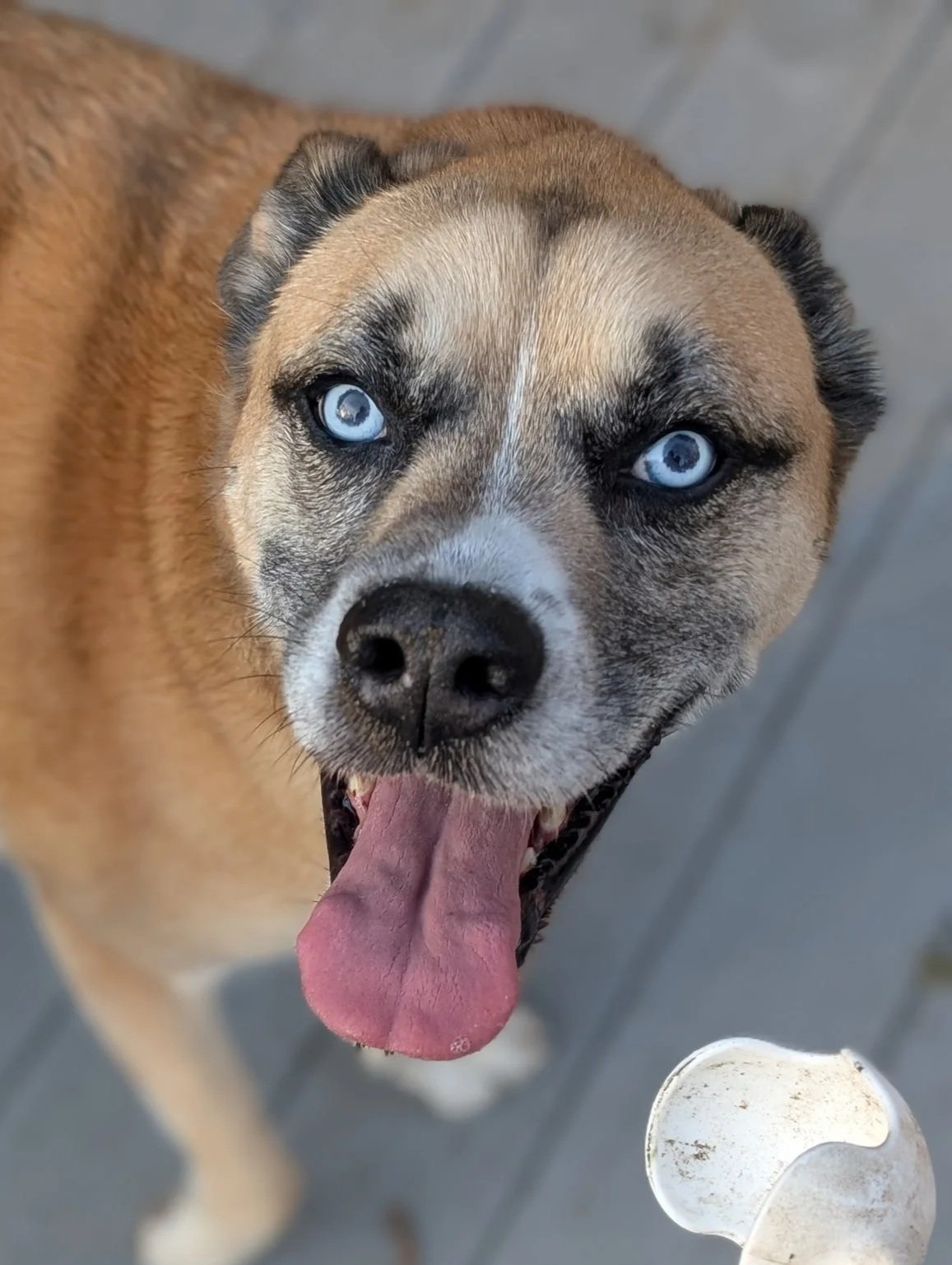
Opie, my wife’s heart dog who has had double CCL surgeries.
Dr. Egg’s Experience: The Good, The Bad, and The Reality
I don’t just prescribe this; I use it. My own dog is on Librela, and he runs around like a puppy after his injection.
In my clinic, I have prescribed it for many patients. Here is the honest breakdown of what I see:
The Majority: Do amazing and see a significant improvement in quality of life.
The Minority: Show no real change.
A Small Few: Have had conditions get worse.
It is important to remember that Librela does not rebuild cartilage or magically remove arthritis. It blocks pain.
Addressing the "Facebook Fear"
If you look online, you will find groups of owners sharing stories of serious side effects. I want to validate those feelings—while side effects are statistically rare, if it happens to your dog, it feels like 100%.
However, do not let fear stops you from having the conversation. Go into the discussion with your veterinarian with an open mind. We can weigh the risks together.
The Verdict
Librela is not a magic wand; it is a powerful tool in a large toolbox of options (including therapy, lifestyle changes, and other meds).
How it’s given: Once a month via injection.
When it works: We typically see improvement by the second dose.
If your dog is struggling with arthritis pain and you are worried about their liver or kidneys, this is absolutely a conversation worth having.